

The National Cyber Security Centre (NCSC) announced at CYBERUK 2026 in Glasgow that it will begin recommending the use of passkeys wherever a service supports them, and two-step verification (2SV) where it does not.
A passkey is a way to sign in that does not use a password. Instead, your account is linked to a device you own, such as a phone or computer. When you log in, the service asks your device to confirm it is you, and you approve this by unlocking the device with a fingerprint, face scan or PIN.
Based on analysis carried out by the NCSC, it has been concluded that passkeys provide stronger protection for users than traditional 2SV, which can be vulnerable to phishing. According to the NCSC, phishing is one of the most persistent causes of cyber compromise.
The NCSC point out that, as with any security control, passkeys need to be implemented and used sensibly to be most effective. Users will still depend on the security of their devices and credential managers.
See: https://www.ncsc.gov.uk/blogs/passkeys-are-more-secure-than-traditional-ways-to-log-in

HMRC have updated guidance on UK VAT refunds for non-UK businesses in a VAT group. Revenue & Customs Brief 10 (2026) explains changes to how non-UK businesses in a VAT group should make future UK VAT refund claims and the transitional arrangements. It also explains how to ask HMRC to reconsider claims made since 1 January 2021 that have been refused.
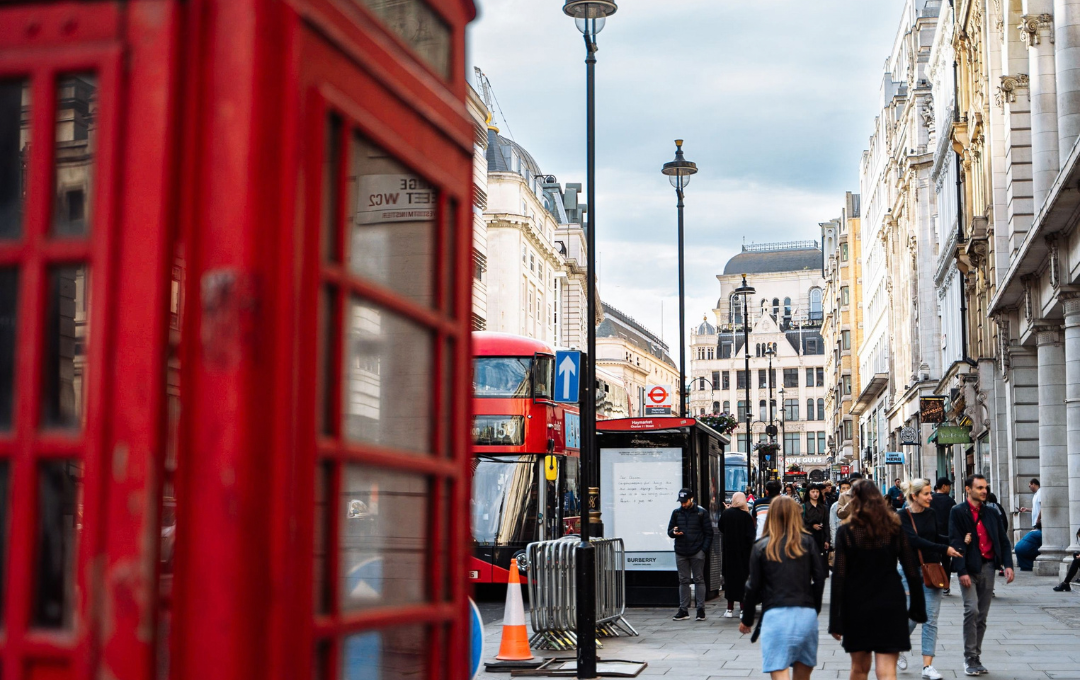
Mayors across England are to be given the power to charge a tourist tax on overnight stays which would apply to British and foreign visitors alike.