
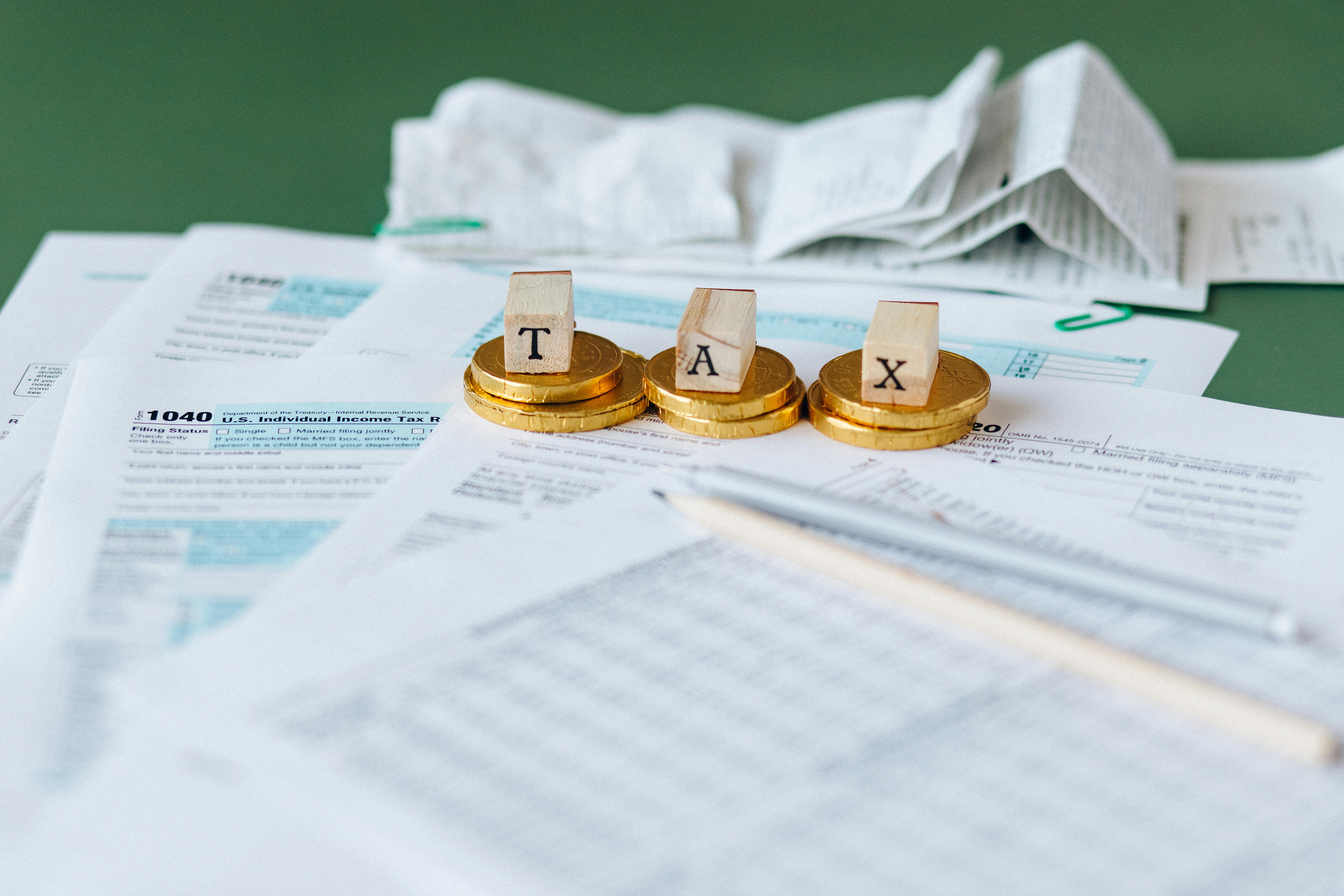
If you are a small VAT-registered business, how you calculate your VAT could make a real difference to your cash flow and the time you spend keeping records.
For some businesses, the standard method for calculating VAT is the best choice, but for others, their circumstances mean the VAT Flat Rate Scheme may be worth considering.
Here we review some of the factors involved in determining whether the VAT Flat Rate Scheme could work for you.
Comparing methods
Under the standard method you charge VAT on your sales and reclaim VAT on your purchases. You then pay the difference to HM Revenue & Customs (HMRC).
The Flat Rate Scheme uses a different calculation. You still charge your customers the usual VAT rate. However, instead of reclaiming VAT on most purchases, you pay a fixed percentage of your VAT-inclusive turnover to HMRC. The percentage amount depends on the industry your business belongs to.
Eligibility rules apply. Businesses may be able to join the VAT Flat Rate Scheme if their VAT turnover is £150,000 or less (excluding VAT).
When the Flat Rate Scheme might help
The Scheme can work well for businesses when VAT-able expenses are low. For example, a consultant or designer who mainly sells their time may find the flat rate percentage more favourable than reclaiming VAT under the standard method.
Some business owners also prefer the simplicity. Because you don’t claim VAT on purchases, other than certain capital assets over £2,000, the calculations can be quicker.
When the standard method may be better
If your business regularly buys goods or services with VAT on them, reclaiming VAT through the standard method is often more cost-effective. The same can be true if you regularly make larger purchases.
Choosing a method
The best way to be sure which method is right for you is to run the numbers and compare.
If you would like advice on whether the Flat Rate Scheme is right for you, give us a call. We are happy to help!

HMRC have clarified the position on Self Assessment tax return reporting requirements for directors of close companies and updated their guidance for directors of charities.

HMRC have updated guidance on UK VAT refunds for non-UK businesses in a VAT group. Revenue & Customs Brief 10 (2026) explains changes to how non-UK businesses in a VAT group should make future UK VAT refund claims and the transitional arrangements. It also explains how to ask HMRC to reconsider claims made since 1 January 2021 that have been refused.